Tutorials

How to build a lightweight style guide that keeps freelancers aligned without overdocumenting

I used to dread onboarding new freelancers to projects because every time it started the same way: a big folder of assets, a 60-page brand PDF nobody read, and an endless thread of Slack messages clarifying tiny design choices. Over the years I learned that the problem wasn't that people were inexperienced — it was that the design guidance was either too sparse or too heavy. What helps most is a lightweight style guide: something that orients...

Read more...

How to set up a one-person content system that turns an idea into a post in under two hours

I publish regularly without a team because I built a system that turns an idea into a publishable post in under two hours. It’s practical, repeatable, and designed for one person who wants both quality and speed. Below I walk through the exact workflow I use at Magque Co — tools, time allocation, templates, and automation — so you can copy it, tweak it, and ship more often.Why a system mattersWhen you freelance, run a small company, or...

Read more...

How to use Figma variants and auto layout to speed up component updates across pages

When I first started building design systems in Figma, I spent hours hunting down components across pages whenever I needed to push a small change — a button padding, a secondary color, a different icon state. It felt like firefighting: update here, forget one instance there, then wonder why the layout broke. That changed when I embraced Variants and Auto Layout together. These two features, used intentionally, turn scattered components into...

Read more...

How to extract product insights from app reviews without drowning in noise

I used to dread opening the app store inbox. Thousands of reviews, a handful of gold nuggets, and the rest—a fog of one-off complaints, praise, and emojis. Over the years I developed a practical system for extracting real product insight from that noise. It’s lean, repeatable, and focused on the signals that actually move the product forward: patterns, intent, and opportunity.Start with a clear questionBefore pulling any data, I ask one...

Read more...

How to use heatmaps to prioritize fixes on low-converting product pages

I use heatmaps almost every week when assessing product pages that underperform. They’re one of those deceptively simple tools: a visual layer over your interface that instantly tells you where people look, click, and scroll — and, more importantly, where they don’t. In this piece I’ll walk you through a practical, repeatable workflow I use to prioritize fixes on low-converting product pages. No theory-only takeaways — just...

Read more...

How to run a customer interview that surfaces real objections, not polite feedback

I run customer interviews all the time — for product decisions, landing pages, onboarding flows, and early pricing experiments. Over the years I learned the hard way that polite feedback is the enemy of useful insight: people will be kind, vague, or accommodating long before they admit they won’t use your product or pay for it. The goal of an interview isn’t to collect compliments. It’s to surface the actual objections that will stop...

Read more...

What to track in Notion to turn scattered project notes into a product roadmap

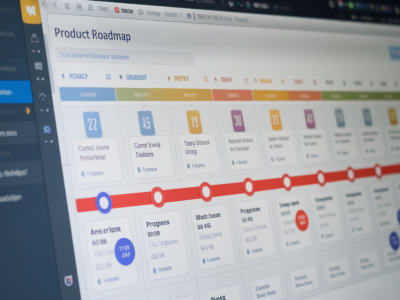
I often start new projects with a Notion page full of ideas: stray notes from a customer call, a screenshot I liked, a half-baked feature sketch. That pile of inspiration is valuable, but it’s not a roadmap. Turning scattered notes into a product roadmap means tracking a few specific things consistently so you can prioritise, communicate, and deliver. Below I’ll share the exact properties and views I use in Notion to make this...

Read more...

A step-by-step cron job for automating content repurposing from blog to social with Zapier

I run a lot of small experiments that try to find the sweet spot between consistent publishing and not burning out. One trick that saved me hours is automating content repurposing: take a blog post and turn it into a series of social posts, image cards, and link snippets — automatically. In this guide I’ll walk you through a step-by-step cron-like job using Zapier to do exactly that, from fetching new posts to scheduling social updates. No...

Read more...

How to create a reusable UX pattern library in Figma that saves design time every week

I build a lot of interfaces — landing pages, dashboards, and small product MVPs — and one thing that consistently saves me time is a reusable UX pattern library in Figma. Over the years I’ve refined a setup that’s compact, predictable, and easy for teammates (and future me) to pick up. Below I share the approach I use to create a pattern library that reduces repetitive design work, improves consistency, and accelerates handoff.Why a...

Read more...

How to set up privacy-first analytics that still let you measure marketing impact

I care about data that actually helps me make decisions — not about collecting every possible click, but about knowing whether my marketing moves are working. Over the past few years I’ve shifted from heavy analytics setups to privacy-first approaches that still let me measure impact. In this article I walk through practical steps to set up analytics that respect user privacy while giving you the insights you need to optimize acquisition and...

Read more...